
Introduction
A leading injectable pharmaceutical manufacturer faced an operational challenge: too many touchpoints. In a single batch, roughly 178,000 interactions took place between people, materials, systems, documents and teams. Physical handling, manual data entry and repeated communication made the value stream complex, increased dependency on manpower, and raised the risk of delays and errors.

SKIL Global was engaged to find out where these interactions added value and where they were avoidable process waste.
A touchpoint is any physical handling, data entry or communication event required to move a batch through the value stream.
The Challenge: 178,000+ Touchpoints per Batch
The injectable value stream had many high-frequency interaction nodes, particularly around vial loading, material movement and batch documentation. Employees repeatedly handled, transferred, recorded, checked and communicated information. Some interactions were essential for quality and regulatory control. Many came from fragmented workflows, duplicate entries and manual handoffs.
The objective: reduce non-value-adding interactions, minimise human intervention in critical processes, and improve reliability without compromising GMP compliance.
Step 1: Mapping the Value Stream, Touch by Touch
SKIL Global began with an end-to-end Value Stream Mapping (VSM) exercise, then ran a detailed Touchpoint Analysis across physical, digital and communication interactions.
Each interaction was assessed for:
- Frequency
- Purpose
- Dependency
- Contribution to the process
What the data showed:
- Loading, documentation and movement were the priority areas
- Duplicate system entries and repeated manual documentation
- Unnecessary communication loops
This gave a fact-based foundation for eliminating waste rather than simply digitising inefficient activities.

Step 2: Designing the Future-State Roadmap
The future-state design combined Lean waste elimination, automation and digital integration, targeting Motion, Waiting and Overprocessing.
Key roadmap levers:
- Automated vial loading and transfer to reduce physical handling
- Barcode-based tracking for better material visibility with less manual intervention
- Digital batch records and stronger PAS-X and SAP integration to remove duplicate documentation and manual data entry
- Prioritisation by touchpoint frequency and operational impact, so effort goes where the interaction burden is highest

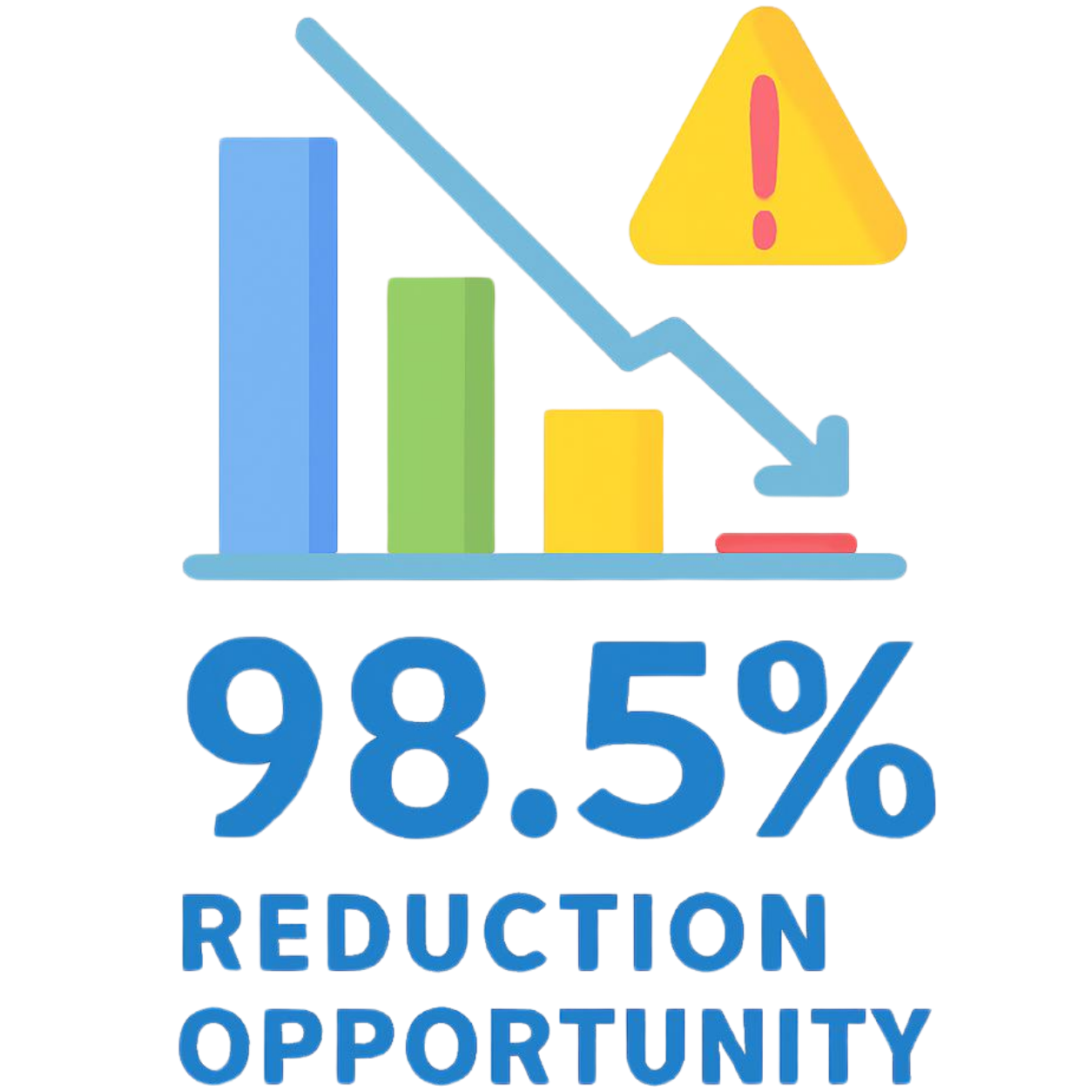
A 98.5% Reduction Opportunity
The analysis identified an opportunity to reduce total touchpoints from 178,407 to 2,764; an estimated 98.5% reduction.
Physical touches could be reduced by approximately 99%, lowering manual dependency in material handling and movement. Digital touchpoints showed an opportunity for roughly 85% reduction through integrated systems and elimination of duplicate entries. Communication touchpoints could potentially fall by around 90% by simplifying handoffs and creating clearer, connected workflows.
These results demonstrate how process complexity can be reduced when every interaction is challenged through a structured Lean lens.
Building a Foundation for Digital Manufacturing
For pharmaceutical manufacturers, touchpoint reduction is about more than efficiency. Fewer unnecessary interactions can mean fewer opportunities for human error, faster and more reliable execution, and greater consistency. By combining VSM, touchpoint analysis, automation and system integration, Skil Global created a tailored roadmap towards a more connected, resilient and digitally enabled manufacturing environment.
The key lesson is simple: transformation does not begin with buying more technology. It begins with understanding the value stream well enough to remove what does not need to happen. A focused touchpoint reduction strategy can create a powerful foundation for operational excellence, compliance and digital manufacturing.

Can We Do This for You?
Absolutely. Skil Global can help identify high-frequency interactions, uncover hidden waste and design a practical transformation roadmap tailored to your operations, write to us! Learn how you can achieve the same significant improvements in productivity and cost savings by implementing Lean Six Sigma tools.